AI for Physics
Understanding the physical world, from atomic-scale processes to macroscopic systems.
AI FOR SCIENCE & PHYSICS
Scientific World Models
Ph.D. student, The Chinese University of Hong Kong
Visiting Ph.D. researcher, Stanford University
I study AI for Physics, World Models, and Recursive Self-Improvement (RSI) to understand physical and scientific systems and advance scientific discovery.

ABOUT
I work at the intersection of machine learning, science, and physics. My research explores AI for Physics, World Models, and Recursive Self-Improvement (RSI), with applications spanning atomic and macroscopic physical systems, scientific discovery, and embodied environments.
At CUHK, I work with the AI4LS Laboratory and MMLab, co-supervised by Prof. Pheng Ann Heng and Prof. Wanli Ouyang. I also collaborate with Prof. Le Cong at Stanford. I contribute to building the Gen-Verse open-source research community.
Background Master's in Biomedical Engineering, Tsinghua University; previously at Microsoft Research Asia and Shanghai AI Laboratory.
LATEST
RSI-Anything released. Featured by Synced (机器之心) ↗.
JEPA-Anything released. Featured by QbitAI (量子位) ↗.
Nature Communications paper accepted.
Scientific Data paper accepted.
Current Opinion in Structural Biology paper accepted.
Advanced Science paper accepted.
Nature Communications paper accepted.
VLDB paper accepted.
Nature Machine Intelligence paper accepted.
Predictive models across physical and scientific systems.
Understanding the physical world, from atomic-scale processes to macroscopic systems.
Predictive models across scientific and physical systems, including embodied environments.
Recursive self-improvement through iterative learning, interaction, evaluation, and feedback.
Scientific world models, generalization, and reliable atomistic simulation.
Technical Report · 2026
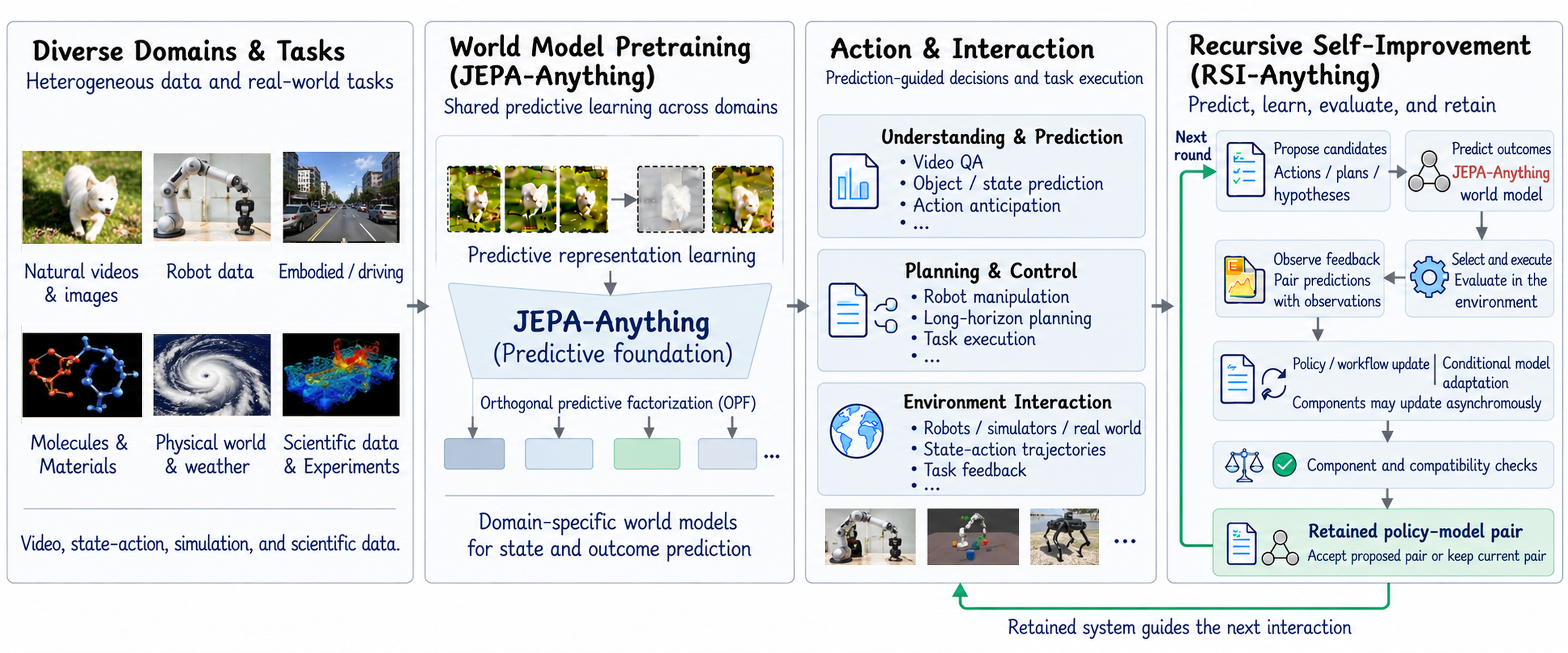
World-model predictions and interaction feedback drive recursive self-improvement across code repair, GUI interaction, laboratory planning, reaction optimization, and immune science.
Featured by Synced (机器之心) ↗.
Technical Report · 2026
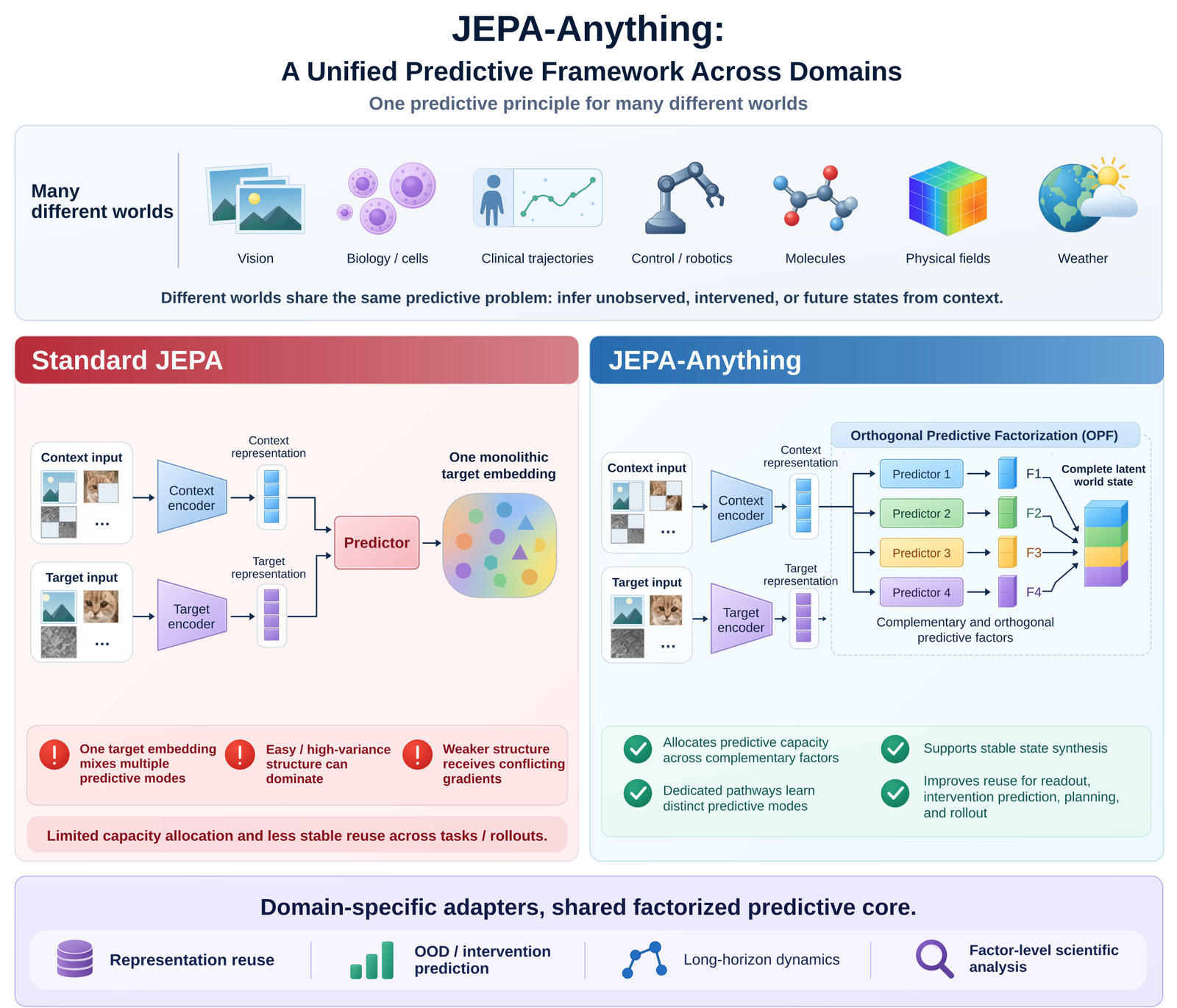
A shared predictive framework for world models across vision, biology, clinical trajectories, control, molecular dynamics, physical fields, and weather.
Nature Communications · 2026
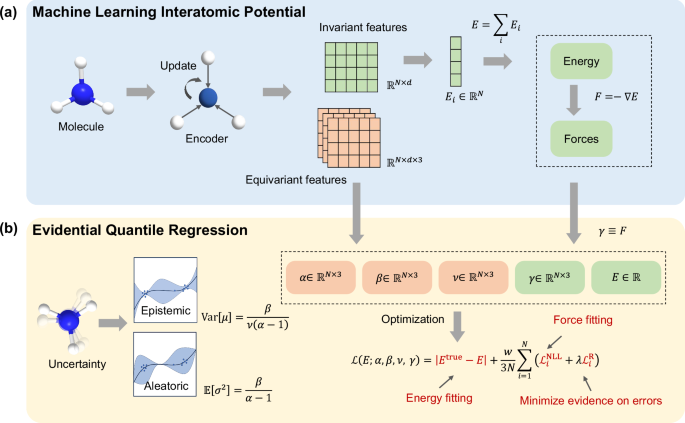
Efficient uncertainty quantification for interatomic potentials.
Nature Communications · 2025
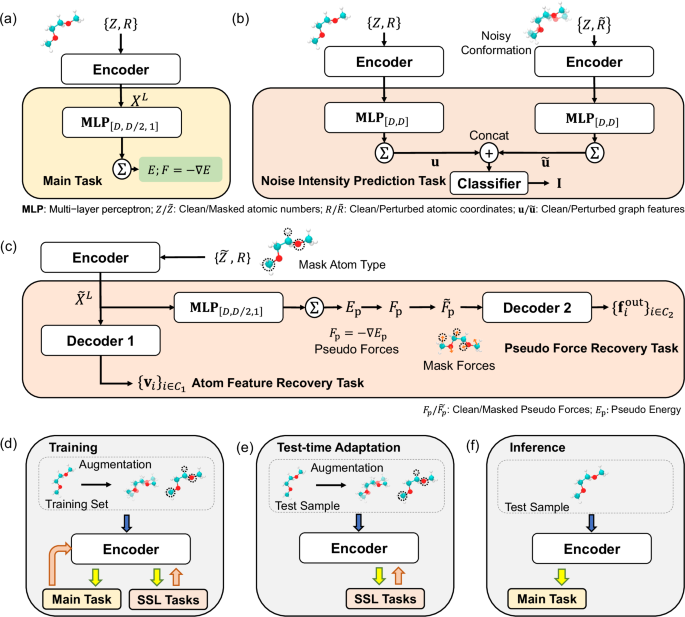
Test-time adaptation for out-of-distribution atomic structures.
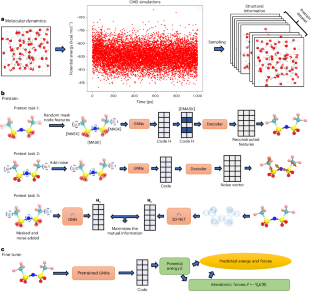
Nature Machine Intelligence · 2024
Geometry-aware pretraining for interatomic potentials.
WAIC 2024 Outstanding Thesis Award · GBA AI for Science Ph.D. Forum Best Paper
Research exchange and community building.
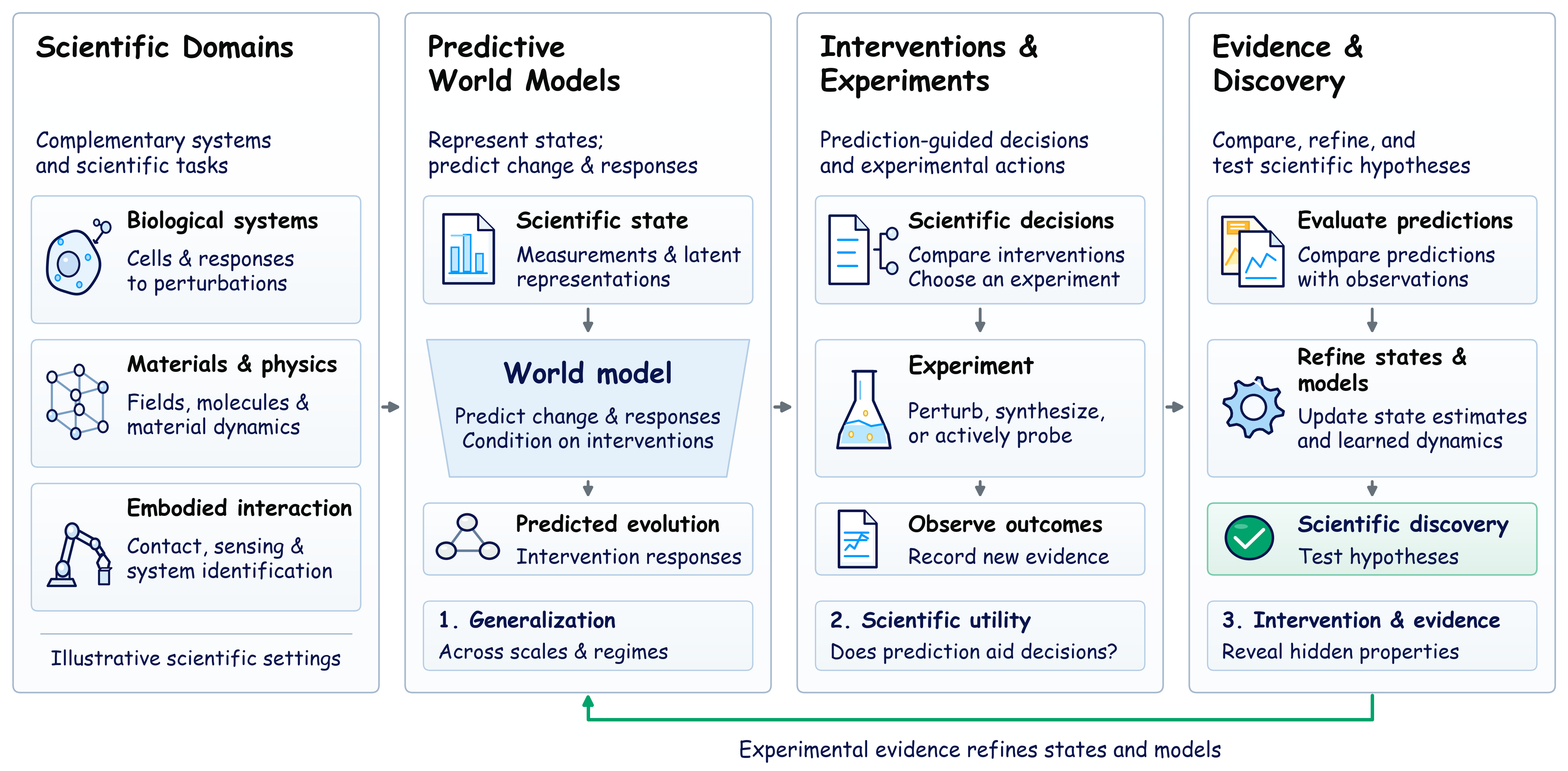
ICLR 2027 WORKSHOP PROPOSAL · ORGANIZER
Connecting representation learning, scientific machine learning, and embodied intelligence through models of scientific systems.
Workshop websiteCOMMUNITY
Reviewer for journals and conferences in machine learning and scientific AI.
CONTACT
AI for Science collaborations and research conversations are welcome.